

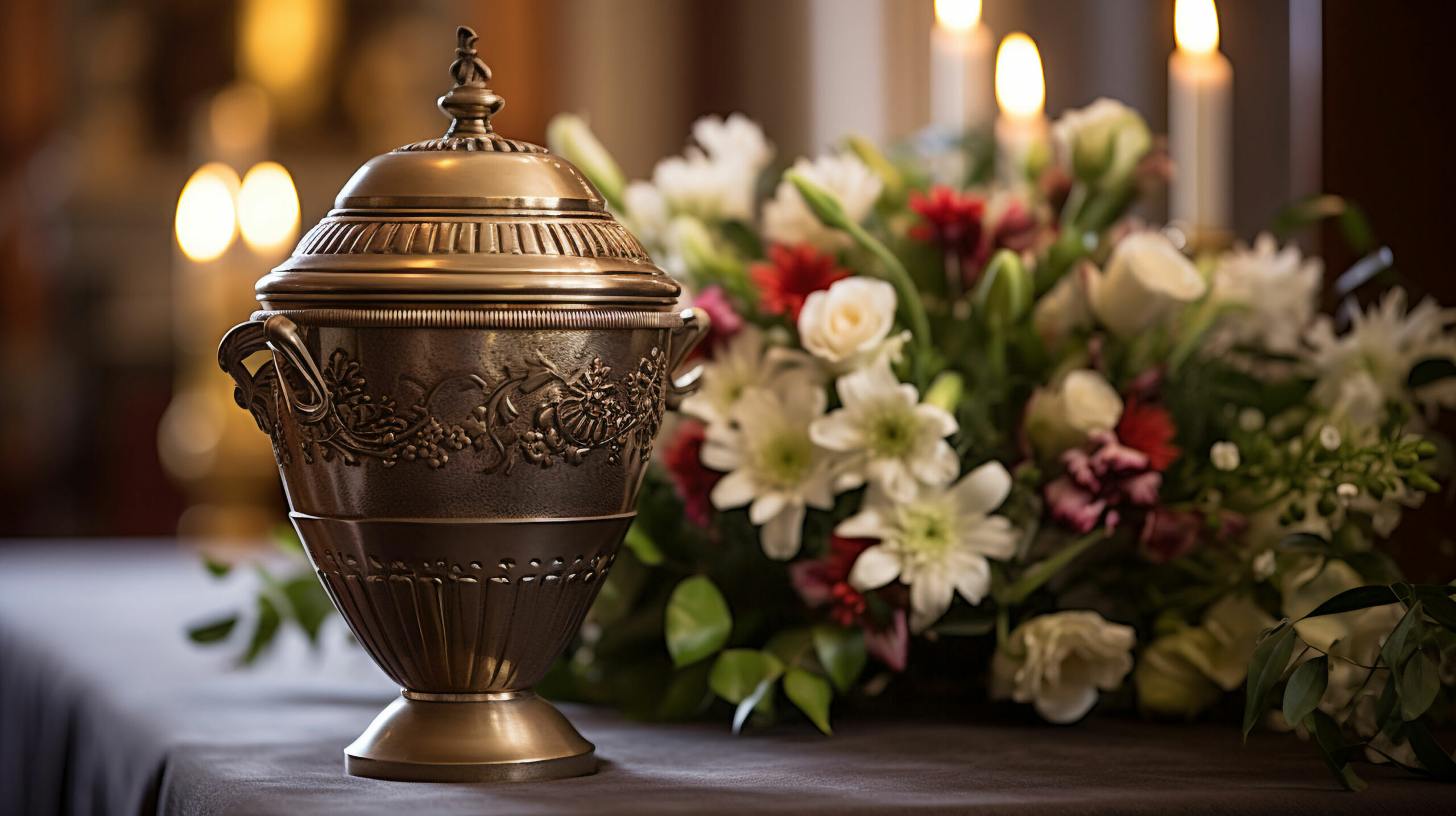
When someone we love passes away, the idea of cremation can seem simple at first—but there’s a lot more meaning and care behind it than most people realize. Cremation temples, especially in places like Temple, Texas and beyond, serve as thoughtful spaces where tradition and compassion meet to guide families through this tough time. Understanding what happens at these temples—from ceremonies to architecture—helps us see cremation not just as an end, but as a respectful way to honor life and memory. This guide dives into how cremation temples offer comfort and community through their sacred rituals and spaces.
Texas Affordable Cremations offers compassionate and affordable direct cremation services in Temple, Texas. Our service includes transportation of the deceased, all necessary permits and paperwork, the cremation process itself, and return of the ashes, all provided with transparent pricing and a fast 10-20 day turnaround time following the mandatory 48-hour waiting period.
The Role of the Cremation Temple in Buddhist Tradition
At its core, the cremation temple serves as a sacred space where life’s final transition is honored with mindfulness and reverence. More than a building, it is a place charged with spiritual energy, designed to ease suffering and cultivate acceptance of mortality.
Here, monks take their places not only as officiants but as spiritual guides who help mourners face the profound truth of impermanence—the very foundation of Buddhist teaching. Their chants and prayers create an atmosphere that encourages reflection on karma and rebirth, offering solace amid grief.
This atmosphere is deliberate. Every architectural element—the open halls for communal gathering, the altar where offerings are made, the quiet meditation corners—supports the unfolding of rituals that connect the physical with the metaphysical.
These temples become a bridge between life and what lies beyond, shaping how families process loss and honor ancestors within a communal setting.
For those attending or arranging ceremonies at a Buddhist cremation temple, understanding these layers enriches the experience. Engaging respectfully in rituals like offering incense or listening attentively during chanting honors both tradition and personal healing.
The monks’ reminders of anicca (impermanence) gently steer hearts toward acceptance—a powerful antidote to despair.
Moreover, monks’ involvement extends throughout each phase—from initial prayers seeking merit for the deceased, to guiding meditations that calm agitated spirits, through to lighting the pyre with intention.
This continuous presence reinforces community bonds and helps individuals reconcile with loss not as an end but as transformation.
Such seamless integration of spirituality and ceremony invites deeper appreciation for how cremation temples serve as vital spaces in honoring both life’s impermanence and enduring connections.
Architectural Features of Cremation Temples
At the heart of many cremation temples is a deliberate harmony between form and function, rooted in centuries-old beliefs yet crafted with purpose in mind. The structure itself often embodies sacred geometry, an ancient system where shapes and proportions are thought to echo cosmic truths.
For example, the stupa—a central feature in many Buddhist cremation temples—represents the five elements: earth, water, fire, air, and space. These elements correlate with the life cycle and symbolize transformation from physical existence to spiritual liberation. This geometric symbolism is not merely decorative but serves as a subtle reminder of impermanence, inviting attendees to reflect on the universal rhythm of birth, death, and rebirth.
But beyond sacred shapes, these temples are rich with symbolic decorations designed to comfort and instruct those who come to grieve. Walls adorned with intricate carvings or colorful murals tell stories from sacred texts, offering consolation through narrative.
In Cambodia, for instance, walls frequently showcase scenes from the Reamker, the local epic derived from the Ramayana. These images act as a kind of visual scripture, reinforcing ideals of compassion, detachment, and renewal that underpin Buddhist thought. They transform what might otherwise be a place of sorrow into one imbued with hope and reflection.
This blend of spiritual meaning naturally extends to the layout of the temple’s interior spaces, which are thoughtfully arranged for ritual practice and daily living.
Functional areas within cremation temples serve very specific purposes that accommodate religious rites alongside the needs of monks and caretakers.
The Vihara is typically a living area for monastic communities who oversee temple activities and maintain its sanctity. Meanwhile, spaces such as Charnel Grounds serve as designated zones for preparing bodies and conducting cremation-related rituals. These practical sections ensure that solemn ceremonies can unfold smoothly while abiding by traditional codes of respect and cleanliness.
The combination of sacred symbolism with utilitarian design allows cremation temples to fulfill their dual role as houses of worship and centers for important lifecycle events. Their architecture thus becomes a silent partner in rituals: guiding movement, framing moments of prayer or meditation, and fostering a communal atmosphere where mourners can find solace and cultural continuity.
In this way, every pillar carved, every mosaic laid, and every chamber built carries significance beyond aesthetics—it is an integral part of an experience that honors heritage while supporting families through profound transition.
Understanding how these sacred spaces shape the mourning process invites us to consider the specific customs and rites performed during cremation ceremonies themselves—practices that bring meaning and structure to grief.
Rituals and Ceremonies Associated with Cremation
Rituals form the heart of cremation ceremonies and are a profound way communities honor both the deceased and the passage from life to whatever lies beyond. These rites can vary widely based on cultural and religious traditions but share a common purpose: to provide closure, express respect, and support those left behind in their grief. Each ritual carries its own symbolism and intention, weaving comfort and meaning into a moment that can otherwise feel overwhelming or final.
Consider the water pouring ceremony, often performed early in the rites. This act of gently pouring water over the hands or body of the deceased symbolizes purification and cleansing—not just physically but spiritually as well. It’s an invitation to wash away earthly ties, allowing the spirit a fresh start. Alongside this, protective chants or sutras may be recited to guide and shield the soul. For example, in Thailand, this would be recognized as Song Nam Pha, a ceremony rich with reverence and a serene sense of peace.
One of the most pivotal moments is what many call the lighting of the pyre. Traditionally reserved for the closest family member, this act represents both literal and symbolic release. Lighting the fire signifies letting go of the physical vessel, offering warmth that encourages transformation from body to spirit. It serves as a bridge between worlds—the tangible to the intangible—and invites reflection on impermanence and renewal. This step isn’t simply about loss; it’s deeply intertwined with hope for what lies ahead.
As these ceremonies reach their conclusion, they naturally lead into practices that honor memory while acknowledging absence.
The post-cremation rites carry their own weight of significance. Collecting the ashes through ceremonies like Sa Ruam—meaning “bone gathering”—is an intimate practice involving close family or community members coming together to respectfully gather remains. How one chooses to handle these ashes afterwards varies; they might be preserved in an urn, scattered in a place meaningful to the deceased, or transformed into memorial objects such as jewelry or keepsakes. These choices speak not only to cultural customs but also offer families personal ways to stay connected.
Beyond ritual acts themselves, these ceremonies serve vital psychological roles. They help grieving individuals process loss by creating structured moments for reflection and communal support—key pillars for healing after death. By engaging in shared traditions, families reaffirm bonds and collectively acknowledge change, which can be profoundly comforting amid sorrow.
For those planning or participating in cremation ceremonies—whether traditional or contemporary—it’s helpful to approach each ritual not just as a task but as an opportunity for meaningful connection. Asking questions about why certain acts are performed helps deepen understanding and respect for diverse practices. Supporting loved ones through these rites means embracing both their cultural significance and their emotional resonance.
Rituals are more than formalities; they are bridges across grief, linking what we lose with how we remember.
With this understanding of sacred rituals in mind, one gains richer insight into how cremation temples serve not only as places for physical transition but as stages for emotional journeys too. This foundation provides essential context as we explore deeper cultural perspectives shaping these ceremonies in specific regions.
Cultural Significance of Cremation in Japan
Cremation is not merely a method of body disposition in Japan; it is woven deeply into the fabric of societal and spiritual life. Dating back to the Heian period, roughly the 8th to 12th centuries, cremation gained prominence largely due to the spread of Buddhism, which emphasized impermanence and the transience of life. This historical backdrop set a precedent that remains influential today as approximately 99% of Japanese families choose cremation, making it one of the highest rates worldwide.
This profound acceptance is not rooted just in religious doctrine but reflects a broader cultural respect for ancestors and continuity. The practice supports both practical and philosophical needs—Japan’s limited land availability makes burial space difficult to secure, while Buddhist beliefs guide families toward honoring life’s impermanence through ritual.
Moving beyond history, these traditional values shape how modern families interact with cremation ceremonies.
Central to Japanese cremation customs is the ritual called Kotsuage, a somber yet intimate process where family members carefully use chopsticks to transfer bone fragments from the ashes into a keepsake urn. The bones are picked up in a prescribed order—from feet upward—demonstrating an organized respect for the deceased’s body, acknowledging their journey from this world with dignity and care.
This act goes far beyond ceremony; it is an opportunity for reflection, connection, and closure.
The care given during Kotsuage embodies Japanese values of precision, mindfulness, and familial duty. These values influence every step of funeral preparations, reinforcing strong emotional and social bonds during times of loss. The ceremony itself involves moments of quiet contemplation, signifying respect not only for the individual but also for ancestors who came before.
While steeped in tradition, Japan’s approach to cremation also embraces modernity where it matters most.
Today’s crematoriums in Japan blend ancient reverence with cutting-edge technology. Facilities frequently employ high-efficiency incinerators designed to reduce emissions and environmental impact—a pressing concern amid growing awareness about pollution. Innovations like automated handling systems ensure precision during the cremation process while maintaining the solemn atmosphere essential for such rites.
This balance illustrates how deeply held traditions coexist with contemporary solutions to meet evolving societal needs.
Japanese cremation practices reveal a culture that honors both past and future—cherishing time-honored rituals while adapting to technological advancements that preserve environmental integrity.
Exploring these rituals paves the way to understanding the spiritual beliefs and practices that inspire them, deepening our appreciation of how faith and ceremony intertwine.
Spiritual Beliefs and Practices within Cremation Temples
At the heart of cremation temples lies the belief that death is a transition rather than an end—a passage from one state of existence to another. This understanding shapes the spiritual practices conducted within these sacred spaces, offering mourners both solace and guidance. The rituals performed are carefully designed to ease the journey of the deceased’s spirit while simultaneously helping family and friends find peace amid their sorrow.
One of the most central practices is chanting and prayers. These aren’t mere recitations; they are intended as spiritual tools that create vibrations believed to help the soul navigate toward liberation or a favorable rebirth. For instance, in many East Asian traditions, monks or family members will chant sutras continuously during the wake and funeral ceremonies. This focused repetition fosters an atmosphere of calm and sacred presence, offering comfort alongside spiritual assistance.
Similarly, Tibetan Buddhists may read from the Bardo Thodol, colloquially known as the Tibetan Book of the Dead, which serves as a guide for souls navigating the intermediate state between death and rebirth. These chants carry centuries of spiritual wisdom, acting like a lighthouse guiding spirits through darkness.
Transitioning from vocal rituals, meditative practices are another cornerstone of these temple rites. Meditation here is more than sitting in silence; it’s a purposeful engagement with the reality of impermanence—the understanding that all life moves through beginnings and endings.
Focused breathing exercises and visualization techniques teach mourners to center themselves amid emotional upheaval. They cultivate mindfulness that gently reminds people grief, like life itself, is transient. Through meditation, individuals can achieve moments of clarity where acceptance replaces denial and sorrow gives way to healing.
These practices extend beyond ceremonies, too; many temples encourage families to adopt meditation as an ongoing means to process loss and cultivate inner strength.
Another essential practice involves offerings and alms-giving, acts deeply rooted in karmic belief systems present in many cremation traditions.
When mourners present flowers, incense, food, or symbolic gifts at the temple altar or afterward in charitable acts, they generate “merit.” This merit is thought to benefit both the soul of the departed—helping ease their passage—and those who give by fostering positivity and spiritual growth within themselves.
These rituals embody a beautiful reciprocity: by giving generously, mourners participate in a cycle that bridges this world with the next while affirming community bonds. In some temples, alms-giving extends beyond ritual to feeding monks or contributing to social causes, intertwining personal mourning with collective compassion.
These intertwined practices—chanting, meditation, offerings—form a cohesive spiritual framework within cremation temples. They help transform a painful event into an opportunity for reflection on life’s fleeting nature, connection across generations, and hope for peaceful transcendence.
Grasping these profound spiritual elements invites us to see cremation temples not only as sacred places but also as centers where families find solace and meaning during loss. This leads naturally into examining how families personally experience and honor their loved ones within these walls.
Honoring the Deceased: Family Experiences in Cremation Temples
Families who choose cremation temples for their loved ones often describe the experience as uniquely comforting. These spaces provide a calm environment where grief can be expressed openly, yet with a sense of dignity and respect.
The structured rituals allow individuals to engage actively in honoring those who have passed, which can be essential for emotional healing. Being part of ceremonies—whether through lighting candles, offering incense, or sharing prayers—gives participants a tangible way to express their love and farewell.
Beyond the rituals themselves, cremation temples frequently facilitate moments of quiet reflection intertwined with cultural tradition, helping families anchor their memories in meaningful practices. This personalized involvement lets them navigate complex emotions while feeling supported by age-old customs that emphasize reverence and continuity.
At the same time, these experiences are rarely solitary; communal gatherings surrounding cremation ceremonies foster deep social bonds.
The collective nature of cremation temple gatherings provides a crucial support network. When family members, friends, and community come together, they share stories and memories that reflect facets of the deceased’s life unseen by others. This communal mourning builds empathy and reinforces connections between those grieving.
The temple setting encourages conversations that might otherwise remain unspoken, creating a shared space where sorrow is acknowledged but not isolating.
This collective engagement can be instrumental in reducing feelings of loneliness after loss. Moreover, participating alongside others who hold similar spiritual or cultural beliefs affirms the family’s traditions and strengthens identity during vulnerable moments.
Alongside emotional healing and community support, cremation temples often extend their role through long-lasting memorial options.
Many cremation temples offer families opportunities to create enduring tributes to their loved ones. These memorials might include inscriptions on communal stupas, planting trees in remembrance gardens, or dedicating plaques within temple grounds.
Such acts provide continual places for visitation and contemplation beyond the initial ceremonies. They turn grief into something physical and lasting—a living memory growing with time.
Families considering these options find value not just in commemorating the deceased but in fostering ongoing connections that honor life’s legacy within their community. These memorials invite future generations to recognize their heritage and maintain familial bonds across time.
In the delicate journey of bidding farewell through cremation temples, every detail—from rituals to communal involvement and lasting memorials—works together to serve both personal need and cultural tradition with grace.
For those seeking affordable yet compassionate cremation care throughout Texas including Temple itself, trusted providers like Texas Affordable Cremation ensure these significant moments are handled with integrity and ease.
Cremation temples offer more than just a final goodbye—they provide comfort, community, and continuity for families navigating loss. Embracing these traditional ceremonies can transform grief into meaningful remembrance that endures through generations.