

When a loved one passes away, it often feels like the world has turned upside down. In the midst of grief, families must also face tough decisions about how to honor their loved ones while balancing financial considerations. One option that many are turning to is cremation, which can be both affordable and meaningful. In this article, we’ll guide you through the various cremation services available in Dallas, focusing on options that cater to different budgets. With the right information, families can navigate this challenging time with greater ease and confidence, ensuring they find a dignified and respectful way to say goodbye.
In Dallas, Texas Affordable Cremations provides direct cremation services that include transportation of the deceased, necessary permits and paperwork, the cremation itself, and return of ashes to the family. We are committed to offering dignified, affordable cremation options with transparent pricing and no hidden fees, helping families navigate this difficult time with compassion and care.
Affordable Cremation Providers in Dallas
When searching for cremation services in Dallas, it’s crucial to find options that fit within your budget while still providing compassionate care and professional service. Understanding the range of providers available allows families to make informed decisions amidst their sorrow.
Top Providers
The following providers stand out in the Dallas area, each with its unique offerings:
- Texas Affordable Cremations: This company is a leader in the market, recognized for its transparent pricing structure that features no hidden fees. Their packages begin at an incredibly low cost of $895, encompassing transportation, the cremation process, and the return of ashes to the family. Many customers have expressed gratitude for the kind-hearted guidance received during their time of loss.
- Dallas Cremation Services: Known for competitive pricing starting at $950, they provide around-the-clock support, ensuring families have access to assistance whenever needed. They also offer options for memorial services tailored to meet specific family wishes.
- Simple Cremation Dallas: Another affordable choice, this provider offers packages starting at $899. Their service is particularly noted for its emphasis on quick and compassionate assistance, which can be invaluable when time is of the essence. Beyond standard cremation, they provide options for keepsake urns and jewelry, allowing families to cherish memories uniquely.
Navigating through these choices can sometimes add pressure during an already emotional period; however, having various affordable options brings peace of mind.
While comparing these services, it becomes clear that selecting a cremation provider entails more than just pricing; understanding each package’s details and how they can honor your loved one is equally critical. As we move forward, let’s explore the necessary steps involved in making arrangements.
Legal Steps for Cremation
The journey towards a peaceful cremation begins with knowing and following the legal guidelines established in Texas. Familiarizing yourself with these essential steps not only keeps the process organized but also helps avoid unnecessary delays that might complicate your experience during an already difficult time.
The first step involves obtaining Medical Certification. In Texas, a medical examiner or attending physician must certify the death and provide a death certificate. This document is crucial, as it serves as the official recognition of the passing, ensuring that all subsequent actions adhere to state regulations. Imagine this as the essential key that unlocks the doors to all other arrangements; without it, the process cannot move forward.
Following this, you will need Authorization from Legal Next of Kin. It’s important that the next of kin provides written consent for cremation to occur. Here’s where it becomes vital to engage in open communication with family members. A quick tip: make sure everyone is on the same page to prevent any potential disputes that could arise later on. Misunderstandings at this stage can lead to unnecessary complications, so transparency is key.
Next comes filing the Death Certificate with the County. This ensures that the necessary authorities are officially notified of the death. Your cremation provider usually assists in coordinating this submission, smoothly integrating this step into your overall plan. Think of your provider as your guide through bureaucratic waters—relying on their expertise can save you time and stress.
Now, let’s talk about a very specific requirement: the Texas 48-Hour Waiting Period. Yes, Texas law dictates that there must be a 48-hour waiting period after death before cremation can take place. While it might seem frustrating in urgent situations, this rule exists for several reasons, including allowing time for any investigations if needed and ensuring all paperwork is duly completed.
Finally, you’ll need to obtain a Cremation Permit from your local Health Department to formally permit the cremation to proceed. This document acts as confirmation that all prior steps have been completed satisfactorily and that you are authorized to continue.
Understanding these legalities positions you better for navigating through costs and planning accordingly. Being well-informed at each stage ensures everything proceeds smoothly and respectfully.
Costs and Payment Options

In Dallas, the average cost of cremation can range from $1,000 to a staggering $5,000. These figures can feel overwhelming, especially when faced with the emotional challenges that accompany the loss of a loved one. However, Texas Affordable Cremations offers a refreshing alternative—starting rates from around $895, making cremation accessible without compromising dignity or respect. This commitment to affordability ensures that families don’t have to choose between honoring their loved ones and managing their finances.
What many people may not realize is that these costs can vary significantly based on service providers and included offerings. Some concern themselves with hidden fees that can sneak in during the arrangements. At Texas Affordable Cremations, transparency is paramount, ensuring families know exactly what they are paying for without surprises lurking in fine print.
Payment Plans
To ease financial burdens during these difficult times, various payment options are available to families.
Pre-payment Plans allow families to lock in current rates, protecting them from potential future price increases as costs continue to rise. This foresight can save significant amounts over time and offer peace of mind knowing that one aspect of planning is secured.
Payment Installments break down total costs into manageable chunks. Certain providers, including Texas Affordable Cremations, often extend interest-free installment plans, making it feasible for families to settle costs over several months instead of fronting a lump sum all at once. This flexibility can significantly alleviate financial strain for those grappling with sudden expenses.
Additionally, many life insurance policies generally permit allocation of funds for cremation costs, lending another layer of financial support. Knowing that coverage may be in place allows families to focus on what truly matters during a time when remembrance should be at the forefront rather than finances.
Take, for instance, one family’s experience with Texas Affordable Cremations; they were able to embark on their journey using a manageable monthly installment plan that allowed them to honor their loved one’s wishes without straining their finances during an immensely challenging period.
Following the completion of cremation, families shift their focus toward decisions regarding how to manage the ashes and make meaningful memorial arrangements.
Handling Ashes and Memorial Choices
Families often find comfort in taking thoughtful steps regarding the handling of ashes. This act serves not only as a means of remembrance but can also be a way to keep the essence of the departed close to home. The choices available are varied and deeply personal, reflecting each individual’s wishes and memories.
Ashes Options
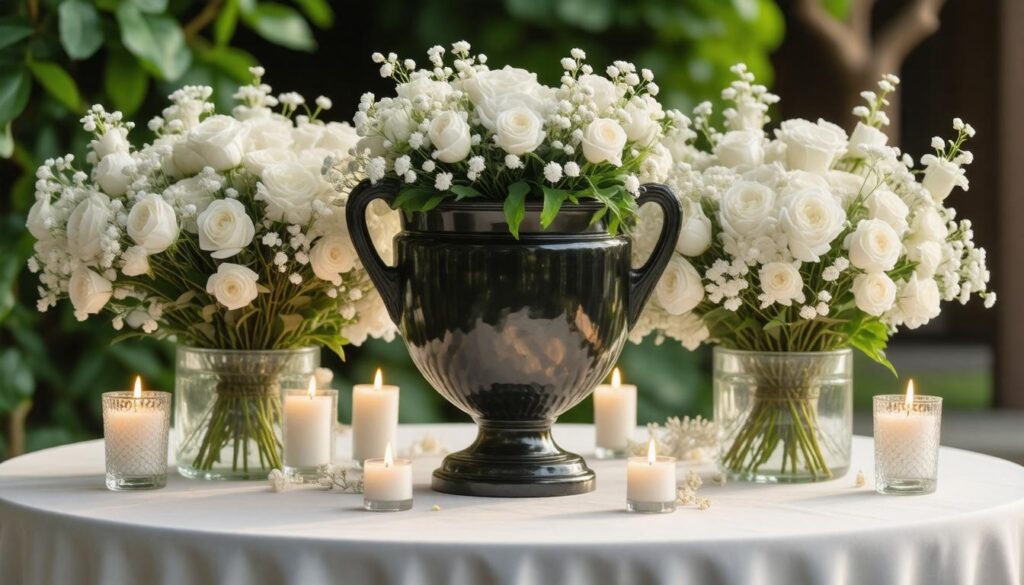
- Traditional Urns: These urns come in many designs, from elegant ceramic shapes to chic metal finishes. Options are also available that are biodegradable for those wanting a natural resting place for their loved ones’ remains.
- Keepsake Jewelry: For those who wish to carry a piece of their loved one with them, keepsake jewelry offers a small compartment designed to hold a tiny amount of ashes—a heartfelt way to keep your loved one close at all times.
- Scattering Services: A popular choice among families is scattering the ashes in a location that held special significance. Parks around Dallas or serene lakes can serve as beautiful backdrops for these meaningful ceremonies.
“We chose to scatter Mom’s ashes in her favorite garden. It was a beautiful, serene moment that felt perfect for her,” shared one client reflecting on the memory they created through this act.
Some families may prefer non-cremation alternatives when considering how best to honor their loved ones.
It’s important to note that each of these options can be accompanied by additional memorial services like personalized ceremonies or remembrance gatherings. Celebrating life through storytelling or sharing cherished memories can further enrich the experience during what can be a challenging time.
Deciding how to handle ashes should be approached with compassion and understanding, ensuring it resonates with the emotional needs of all family members involved. It’s about creating lasting tributes that embody the spirit of those we’ve lost while allowing us to express our love in tangible forms.
As we explore other ways to remember those we’ve lost, we’ll consider additional options that may resonate more deeply with certain individuals and families.
Non-Cremation Alternatives
One of the most established options remains traditional burial, a time-honored practice that involves placing the deceased in a casket and interring them in a cemetery. This method provides a final resting place and allows families the opportunity to memorialize their loved ones with personalized headstones or markers.
However, it’s essential to recognize that traditional burials can come with considerable costs, often exceeding $5,000 because of factors like land use, maintenance fees, and the price of the casket itself. If you’re budget-conscious, be prepared to explore these financial aspects before making your decision.
As families become increasingly aware of their environmental impact, green burials are rising in popularity as an eco-friendly alternative. In this approach, the body is placed in a biodegradable casket, free from embalming fluids which can harm the environment.
What I find compelling about green burials is how they resonate with individuals wishing to leave a lighter footprint on our planet. According to a 2024 survey by the National Funeral Directors Association, 35% of people now prefer green burials, reflecting a shift toward sustainability even in death.
Another consideration some families opt for is mausoleum entombment. This offers an above-ground permanent resting place for those who may prefer this option due to cultural beliefs or personal preferences. The structure becomes both a memorial and a form of protection against environmental elements.
Additionally, mausoleums often provide families with the benefit of not needing to worry about ground maintenance that accompanies traditional interments.
Exploring these various burial options allows families to choose what best aligns with their values and wishes. Turning our attention now to perspectives from different cultures regarding these practices brings further insight into how we honor loved ones.
Religious Views on Cremation
Different religious groups hold distinctive views regarding cremation, which can deeply influence family decisions when navigating end-of-life arrangements. It’s essential for families to understand these beliefs to make informed choices that not only conform to their loved ones’ wishes but also respect their own spiritual values.
Major Religions’ Stances
| Religion | Stance On Cremation |
|---|---|
| Christianity | Generally accepted by many denominations, but some, like Orthodox Christianity, prefer burial. |
| Judaism | Traditional Jewish law opposes cremation; however, some liberal movements accept it. |
| Islam | Strongly opposes cremation; burial is the only option provided. |
| Hinduism | Cremation is the preferred method for body disposal. |
| Buddhism | Commonly accepts cremation, particularly in some Asian traditions. |
Looking closely at these positions reveals how foundational beliefs shape attitudes toward body disposition. For example, in Hinduism, cremation isn’t just common; it’s integral to spiritual practices, symbolizing the release of the soul from its earthly form. This ritual highlights the concept of samsara, the cycle of birth, death, and rebirth, where the physical body must return to the elements.
This practice contrasts sharply with Islam, which mandates burial as a sign of respect for the body as created by God. The tradition adheres to strict guidelines laid out in religious texts, leaving little room for acceptance of cremation.
In Judaism, traditional laws oppose cremation based on the belief that the body should remain intact until bodily resurrection occurs in the Messianic age. As society evolves, more liberal Jewish movements have begun accepting cremation under specific circumstances—though still viewed with caution and reserved interpretation.
Understanding how deeply embedded these religious assertions are will provide families with both peace of mind and clarity during this emotionally charged period.
In Christianity, perceptions about cremation vary across denominations. While many Protestant groups embrace it without hesitation, viewing it as compatible with Christian teachings about resurrection, others—particularly Orthodox Christians—maintain a preference for burial based on theological interpretations that emphasize reverence for the physical body as a temple.
Cultural Sensitivity in Decision-Making
It’s crucial that families engage in open discussions about these perspectives alongside their needs and preferences when making final arrangements. Individuals should feel empowered to ask questions, voice concerns, and seek guidance from knowledgeable sources within their communities or social circles.
Considering varying religious views on cremation enables families to navigate their options thoughtfully while upholding values meaningful to both their deceased loved ones and themselves. Each choice resonates beyond the present moment—they contribute to honoring legacies and aligning with long-standing traditions that can bring comfort amidst grief.
This understanding paves the way for respectful and thoughtful decisions that acknowledge both personal desires and deeply held beliefs.